
The humanitarian situation in the Gaza Strip remains extremely severe following prolonged hostilities, mass displacement, and widespread destruction of civilian infrastructure. Millions of Palestinians continue to rely on humanitarian assistance for food, shelter, healthcare, and protection. The conflict has resulted in extensive civilian casualties, large-scale displacement, and damage to critical services including hospitals, water systems, and housing.
Humanitarian organizations and partners continue to deliver emergency assistance despite significant operational constraints, including restricted humanitarian access, damaged infrastructure, and shortages of fuel and medical supplies. Ongoing efforts focus on life‑saving assistance, protection of civilians, restoration of essential services, and support for displaced populations.
Key Highlights
- Tens of thousands of civilians have been killed or injured since the escalation of hostilities.
- Nearly 90% of Gaza’s population has experienced internal displacement, many multiple times.
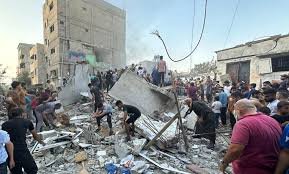
- Extensive damage to housing, hospitals, and essential infrastructure has disrupted basic services.
- Humanitarian access remains limited due to damaged infrastructure and logistical constraints.
- Food insecurity and malnutrition remain widespread, particularly among children and vulnerable families.
Humanitarian Response
Humanitarian agencies continue to deliver life‑saving assistance to civilians affected by the conflict. Priority interventions include emergency health services, food distribution, water and sanitation support, shelter assistance, and protection services for vulnerable populations.
Health and Medical Response
The health system in Gaza remains under immense pressure. Many hospitals and clinics have been damaged or destroyed, while those still operating face severe shortages of medicines, equipment, fuel, and medical personnel. Humanitarian partners are providing emergency medical supplies, trauma care assistance, and mobile health services to support affected communities.
Protection
Protection concerns remain widespread, particularly among children, women, older persons, and persons with disabilities. Humanitarian partners are providing psychosocial support, protection monitoring, legal assistance, and services for survivors of gender‑based violence.
Food Security and Basic Needs
Food insecurity continues to affect large segments of the population. Market disruptions, limited supplies, and restricted access to food have resulted in severe shortages and rising prices. Humanitarian agencies are prioritizing food distributions, nutrition programs, and assistance for pregnant women and children.
Shelter and Displacement
Large numbers of homes have been destroyed or severely damaged. Displaced families are currently living in overcrowded shelters, temporary camps, or partially damaged buildings. Emergency shelter assistance includes tents, blankets, bedding, and household items, as well as support for repairing damaged homes where possible.
Coordination and Funding
The humanitarian response is coordinated through international agencies and humanitarian partners working alongside local authorities and civil society organizations. Continued financial support from donors is critical to sustain life‑saving humanitarian assistance and reach those most in need.
Outlook
The humanitarian situation in Gaza is expected to remain critical in the near future. Continued humanitarian access, protection of civilians, restoration of essential services, and sustained international support will be essential to address immediate needs and support long‑term recovery.