
Executive Summary
The humanitarian situation in Ukraine continues to evolve as the conflict enters its fifth year. Persistent attacks on infrastructure, ongoing displacement, and severe winter conditions have deepened humanitarian needs across the country and throughout the region. Millions of Ukrainians remain displaced internally or have sought refuge across Europe. Humanitarian organizations and partners continue to provide protection, shelter, cash assistance, and social services to affected communities while supporting host countries that are assisting refugees. In 2026, humanitarian actors are prioritizing life‑saving assistance, strengthening resilience and inclusion, and transitioning coordination to national and local actors while remaining ready to respond to new emergencies.
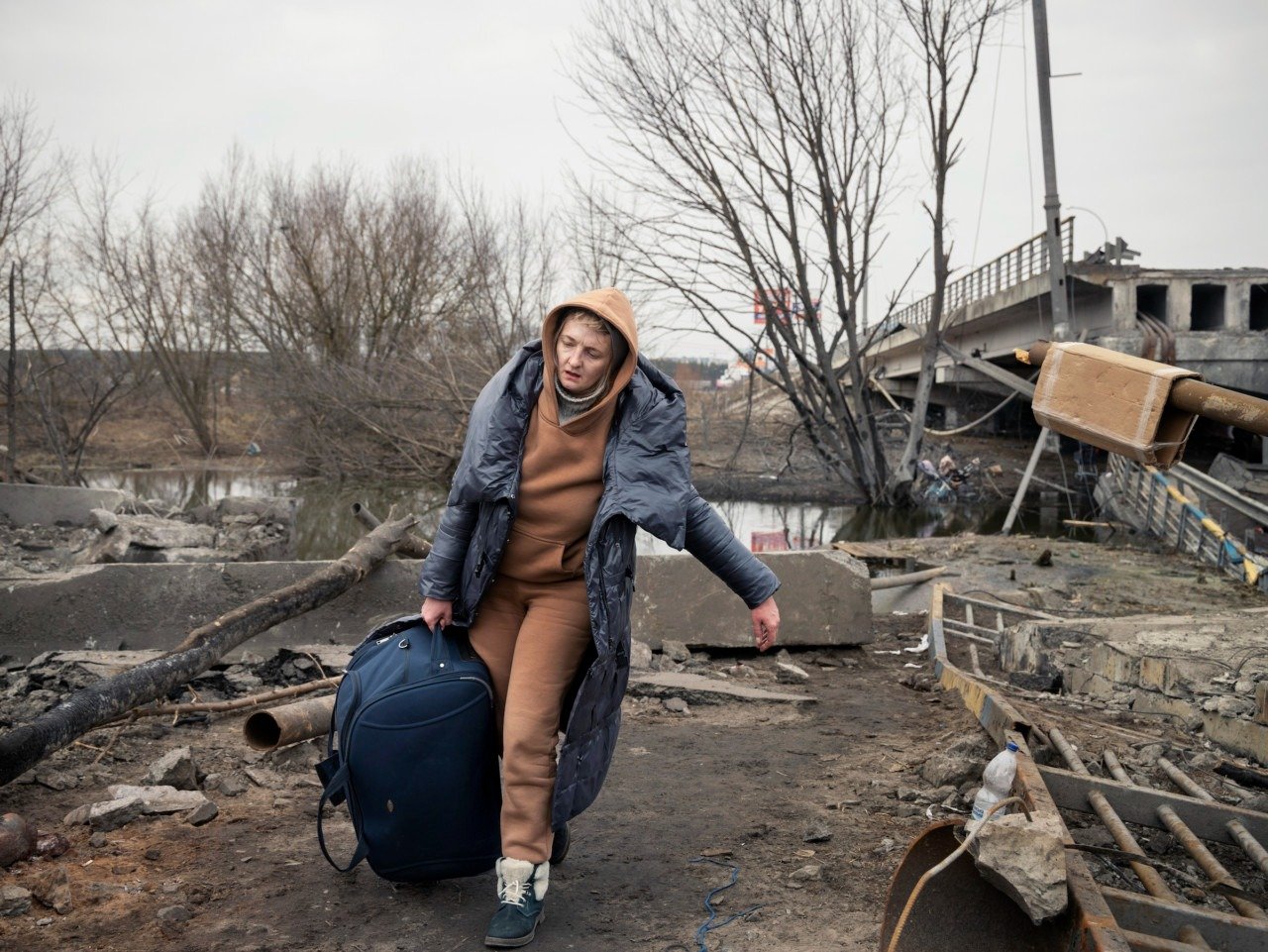
Key Highlights
Intensified hostilities and missile attacks during 2025 caused widespread damage to energy and transport infrastructure, resulting in electricity shortages, water supply disruptions, and new waves of displacement.
Civilian casualties have continued to rise, with thousands killed and injured since the start of the full‑scale invasion in 2022.
Millions remain internally displaced in Ukraine, while a large number of refugees continue to receive protection and support across Europe.
Humanitarian partners are focusing on protection, shelter repair, winter assistance, cash support, and access to essential services.
Humanitarian Response Inside Ukraine
Humanitarian organizations continue to support internally displaced people, returnees, and conflict‑affected communities across Ukraine. Assistance includes emergency shelter repairs, distribution of essential items, cash grants for basic needs, and protection services. Local partners frequently serve as first responders after attacks, providing immediate relief materials and psychosocial support.
Shelter repair programmes have helped thousands of families remain in their homes by replacing damaged roofs, windows, and doors. Cash assistance programmes enable vulnerable households to cover urgent costs such as food, heating, medical care, and accommodation.
Support for Evacuees and Displaced People
Transit centres and collective accommodation sites continue to assist people fleeing frontline areas. Services provided include emergency shelter, non‑food items, legal support, and psychosocial care. Special attention is given to people with specific needs such as older persons, persons with disabilities, and children.
Regional Refugee Response
Countries across Europe continue to host a significant number of refugees from Ukraine. Humanitarian agencies and national authorities are working together to ensure access to protection, social services, and employment opportunities. Support programmes also focus on strengthening social cohesion between refugees and host communities.
Protection
Protection activities include legal assistance, access to documentation, monitoring of border crossings, and services for survivors of violence. Specialized programmes support children, women, and other vulnerable groups to ensure safe access to rights and services.
Basic Needs, Health and Well‑Being
Humanitarian partners distribute essential relief items such as bedding, hygiene kits, clothing, and household supplies. Mental health and psychosocial support services are also provided through counselling sessions and community activities aimed at reducing stress and trauma caused by prolonged conflict.
Socio‑Economic Inclusion
Efforts are underway to help refugees and displaced people rebuild their lives through employment support, language training, entrepreneurship programmes, and integration into national education systems. Municipalities and civil society organizations play an important role in fostering inclusion and supporting long‑term recovery.
Coordination and Funding
Humanitarian operations in Ukraine are coordinated through inter‑agency mechanisms that bring together international organizations, national authorities, and local NGOs. Protection and shelter coordination remain key priorities. Continued financial support from donors is critical to sustain assistance programmes and reach people most in need.
Outlook
As the humanitarian response transitions toward longer‑term recovery and resilience, humanitarian actors remain prepared to respond rapidly to new displacement and emerging needs. Strengthening national systems and local partnerships will be essential for ensuring sustainable support for people affected by the crisis.